The Smarter Way to Plan a Commercial Photography and Video Shoot
A successful commercial shoot does not begin when the camera comes out.
It begins long before the first frame is captured.
The strongest brand content is rarely accidental. It is planned with intention, shaped by purpose, and executed with clarity. When a shoot is rushed, vague, or built on guesswork, the results often look polished on the surface but fail to do the real work. They do not connect. They do not convert. They do not carry the brand forward.
Commercial shoot planning is what turns content from decoration into direction.
Whether you are preparing for a product launch, a brand refresh, a seasonal campaign, or a new wave of social content, the planning stage is where the value is created.
Start with the reason for the shoot
Before thinking about locations, outfits, props, or camera angles, ask the simplest question first:
What is this shoot meant to achieve?
That answer shapes everything.
A shoot designed to launch a new collection will need a different approach from one built to strengthen brand trust. Content for a website homepage will need a different feel from content created for paid ads or Instagram reels. A lifestyle-led campaign for a menswear brand will not need the same shot list as clean product imagery for e-commerce.
When the purpose is unclear, the content usually becomes a mixed bag of attractive images with no real job to do.
The most effective shoots are guided by a clear objective from the start. That objective might be to:
- support a product launch
- refresh your website visuals
- create social-first content for the next 30 to 90 days
- build stronger brand consistency
- give a campaign a more premium feel
- create assets for ads, email, print, and digital use
Once the objective is clear, the creative choices become easier. The fog lifts.
Know exactly who the content is for
Good commercial content is not only about how the brand wants to look. It is also about how the audience wants to feel.
A shoot should be planned with the customer in mind. What are they drawn to? What builds trust for them? What kind of visuals feel premium, approachable, aspirational, or authentic in your market?
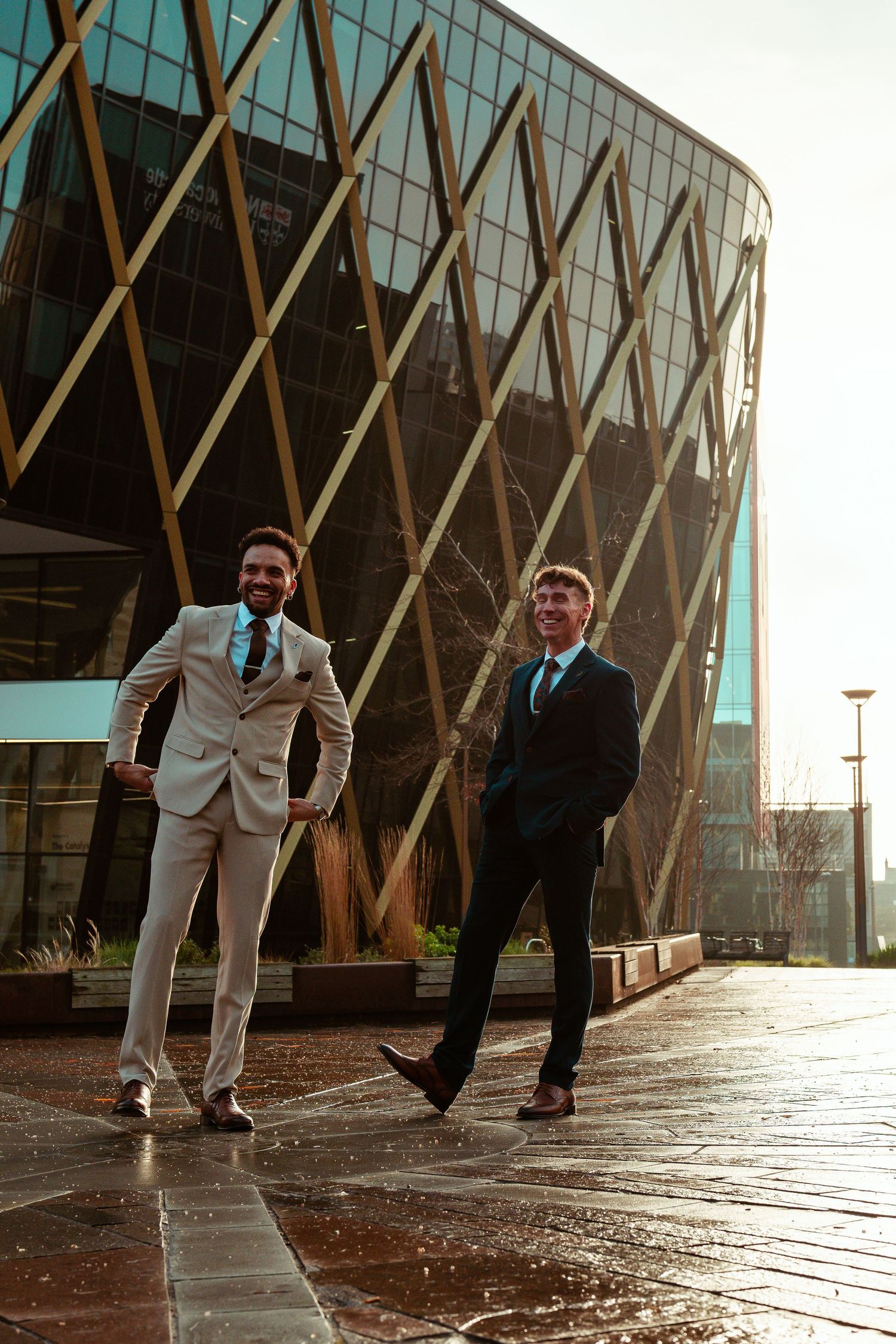
A brand selling tailored menswear to style-conscious professionals will need a very different visual language from a golf brand targeting casual weekend players. The same camera can capture both, but the planning needs to respect the difference.
Before a shoot, it helps to define:
- who the ideal customer is
- where they will see the content
- what message the visuals need to communicate
- what tone the brand should carry visually
This is where strong commercial planning begins to separate itself from content that simply looks “nice.”
Build the creative direction before the shoot day
A commercial shoot should not be carried by improvisation alone. Some flexibility is useful, but the creative direction needs to be established before the day arrives.
That means deciding:
- the visual mood
- the styling direction
- the locations
- the lighting approach
- the type of framing
- the balance between polished and natural
- whether the content is product-led, people-led, or atmosphere-led
Mood boards can be useful, but only if they are grounded in the real brand rather than borrowed aesthetics for the sake of it. Inspiration should support the strategy, not replace it.
The creative direction should answer one important question:
When someone sees this content, what should they instantly understand about the brand?
If the answer is vague, the concept needs more work.
Create a proper shot list
A shoot without a shot list is like setting out on a road trip with no map and hoping charisma will get you there.
Charming in theory. Expensive in practice.
A clear shot list keeps the day focused and productive. It helps ensure the content covers business needs, not just creative impulses.
A strong commercial shot list might include:
- hero campaign images
- website banner visuals
- product close-ups
- lifestyle detail shots
- behind-the-scenes content
- vertical video clips for reels
- social media stills
- founder or team imagery
- brand texture and environmental shots
- ad-friendly negative-space compositions
It is also important to think in terms of output, not just shooting. Where will the content be used? What formats are needed? Do you need landscape, portrait, square, or vertical-first assets? Will the content need space for text overlays or headlines?
Planning this in advance avoids the classic post-shoot regret:
“We got great content, but not the content we actually needed.”






Think beyond the shoot day itself
One of the biggest mistakes brands make is planning only for the day, rather than for the use of the final content.
A commercial shoot should create assets that stretch beyond one launch post or one website refresh. It should serve a broader content system.
That means asking:
- how long should these assets last?
- what channels are they for?
- do they support future campaigns?
- can the content be repurposed across multiple touchpoints?
- do we need both evergreen and campaign-specific material?
The best shoots give brands depth. Not just one or two polished hero shots, but a bank of purposeful content that can be used across websites, social media, email campaigns, launch materials, press kits, and advertising.
That is where the return becomes real.
Get the logistics right
Creative ambition falls apart quickly when the practical details are ignored.
Commercial shoot planning should cover the operational side just as carefully as the visual side.
That includes:
- location access
- timing
- weather contingencies
- product readiness
- steaming, styling, and prep
- talent or model coordination
- call sheets
- travel
- equipment requirements
- usage priorities
- backup plans
- A smooth shoot always looks effortless from the outside. It rarely is.
The reason some shoots feel calm, efficient, and focused is because the planning has already done the heavy lifting.
Prepare the products, people, and environment
If products are being photographed, they need to arrive shoot-ready. That means clean, steamed, complete, and consistent. Missing tags, creased garments, scuffed packaging, and avoidable imperfections can quietly drain quality from a shoot before it begins.
If people are involved, they need clarity too. Models, founders, or team members should understand the mood, the pace, the purpose of the content, and what is expected of them on the day.
If the location matters, it should be chosen for more than convenience. It should reinforce the visual language of the brand.
Every detail either strengthens the final content or weakens it.
Make room for performance, not just aesthetics
The most effective commercial content does two jobs at once.
It looks right, and it works hard.
Planning a shoot should include an honest conversation about performance. What kind of content tends to engage your audience? What has worked before? What do your competitors do badly that you could do better? Where does your current content fall short?
A beautifully executed shoot that ignores how content performs in the real world is art without aim.
That does not mean every image should be reduced to a metric. It means the creative process should respect business reality. The content should support visibility, trust, consistency, and conversion.
Style matters. Substance matters more.
Leave room for natural moments
Planning matters, but over-planning can suffocate a shoot if everything becomes too rigid. Some of the strongest visual moments come from energy, spontaneity, and instinct.
A good commercial shoot has structure, but not stiffness.
The foundation should be solid enough to keep the day on track, while leaving room for unexpected frames, movement, personality, and genuine atmosphere. That balance is where polished content still feels alive.
After the shoot, the strategy continues
The shoot itself is not the finish line. What happens after matters just as much.
Once the content is delivered, it should be organised and used with purpose. Assets should be sorted by format, channel, and priority. The strongest visuals should support key pages, campaigns, and launch points first. Content should be deployed as part of a broader brand and marketing plan, not dropped randomly into the world and left to fend for itself.
A commercial shoot is not just a creative exercise.
It is an investment in how the brand is seen.
Final thought
Great commercial content is built twice.
First in the planning.
Then in the execution.
The brands that get the most value from a shoot are rarely the ones that simply book a date and hope for magic. They are the ones that take the time to define the goal, understand the audience, shape the creative direction, and prepare with intention.
When a shoot is planned properly, the content feels sharper, stronger, and more aligned from the very beginning. It carries weight. It tells the truth of the brand more clearly. And it gives every image and every frame a reason to exist.
That is the difference between content that fills space and content that moves a brand forward.